
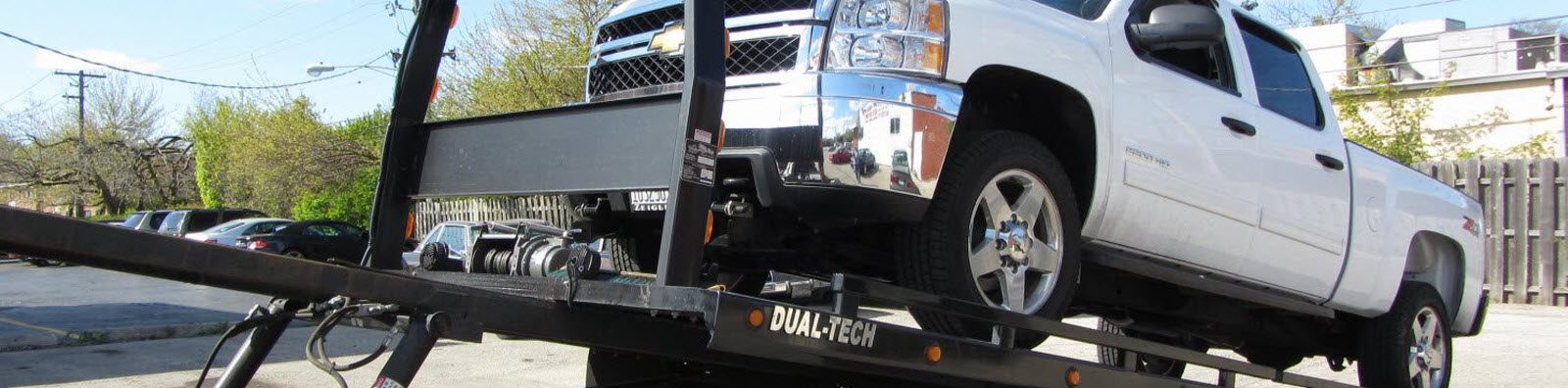
When your vehicle becomes stuck or disabled, it’s tempting to try and solve the problem with whatever tools you have on hand. However, most drivers simply do not have the proper recovery equipment needed for safe extraction. Professional tow operators use heavy-duty winches, rated recovery straps, wheel lifts, and hydraulic systems designed specifically for controlled lifting and pulling. These tools are engineered to handle the weight and stress of a vehicle in difficult conditions. In contrast, consumer-grade straps, jacks, or makeshift solutions can easily fail under pressure, leading to snapped lines, sudden vehicle movement, or additional damage. Without the right equipment, even a small recovery attempt can turn into a dangerous situation very quickly. We at Affordable Junk Cars & Towing would like to stress why you should never attempt unsafe vehicle recovery.
Unstable Vehicle Conditions Can Lead to Accidents
A vehicle that is stuck in mud, snow, sand, or a ditch is often in a highly unstable position. The ground beneath it may be soft, uneven, or shifting, making the car unpredictable once force is applied. Attempting to pull the vehicle out without properly assessing weight distribution and terrain can cause it to shift suddenly, roll, or slide. On slopes or embankments, gravity can amplify the danger, increasing the likelihood of tipping or uncontrolled movement. These situations are especially hazardous for anyone standing nearby, as there is little time to react if something goes wrong. Professional recovery specialists are trained to evaluate these conditions and use controlled methods to stabilize the vehicle before any movement occurs.
Roadside Traffic Exposure Increases Danger
One of the most overlooked risks of unsafe vehicle recovery is exposure to traffic. Breakdowns often occur on busy roads or highways where vehicles are traveling at high speeds. When drivers step outside their cars to attempt recovery, they are often standing in close proximity to moving traffic with limited protection. Visibility can be reduced at night, in poor weather, or on curved roads, making the situation even more dangerous. Professional towing operators mitigate this risk by using high-visibility lighting, cones, and strategic vehicle placement to secure the area. Without these safety measures, the risk of being struck by passing vehicles increases significantly.
Improper Recovery Can Cause Expensive Vehicle Damage
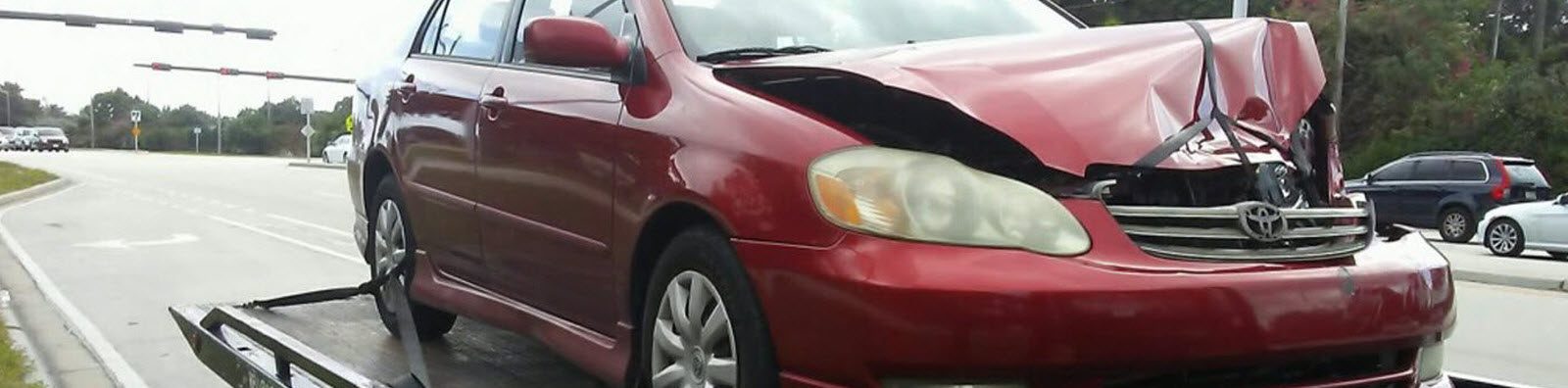
Trying to recover a vehicle without proper knowledge can easily result in costly damage. Incorrect attachment points, improper pulling angles, or excessive force can damage critical components such as the transmission, suspension, frame, or bumpers. For example, towing from an unapproved point can bend structural parts or tear off under stress. These types of repairs often cost far more than a professional towing service would have in the first place. In some cases, insurance coverage may also be impacted if it is determined that improper recovery methods were used, leaving the driver responsible for repair costs.
DIY Recovery Often Makes the Situation Worse
What begins as an attempt to save time and money often ends up doing the opposite. Many drivers who try to recover their own vehicles end up worsening the situation, making the car more difficult to tow or increasing the level of damage. This can lead to longer wait times, more complicated recovery procedures, and higher overall costs. Instead of resolving the issue quickly, an unsafe attempt can turn a minor inconvenience into a major problem.
Professional Towing is the Safest Solution
Calling a professional towing service is always the safest and most efficient option. Trained operators have the experience, tools, and safety protocols needed to handle a wide range of recovery situations. They can assess risks, stabilize the vehicle, and complete the recovery without putting anyone in danger. In stressful roadside situations, relying on professionals ensures both safety and peace of mind. Call Affordable Junk Cars & Towing for safe and efficient towing services!
