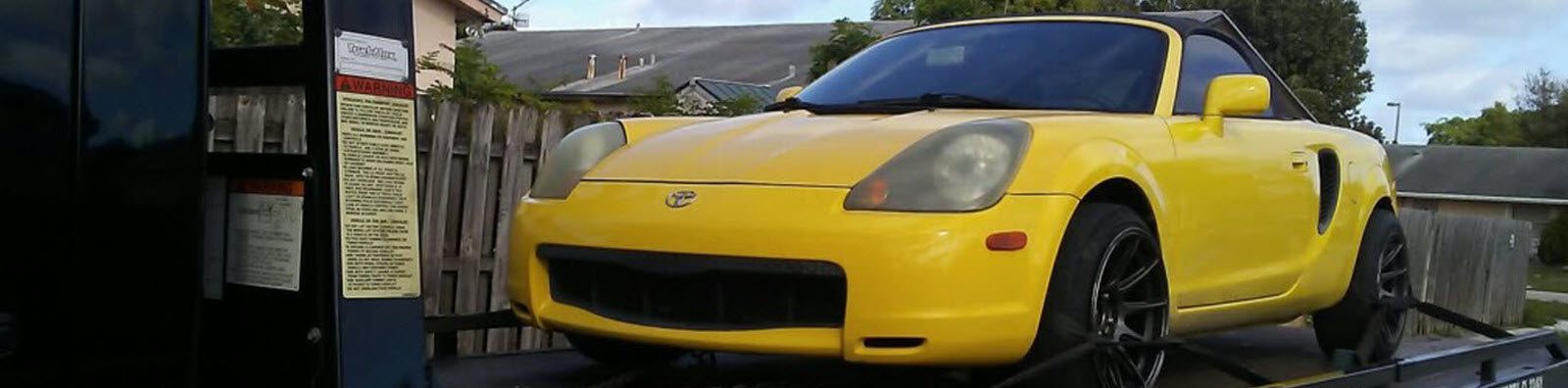
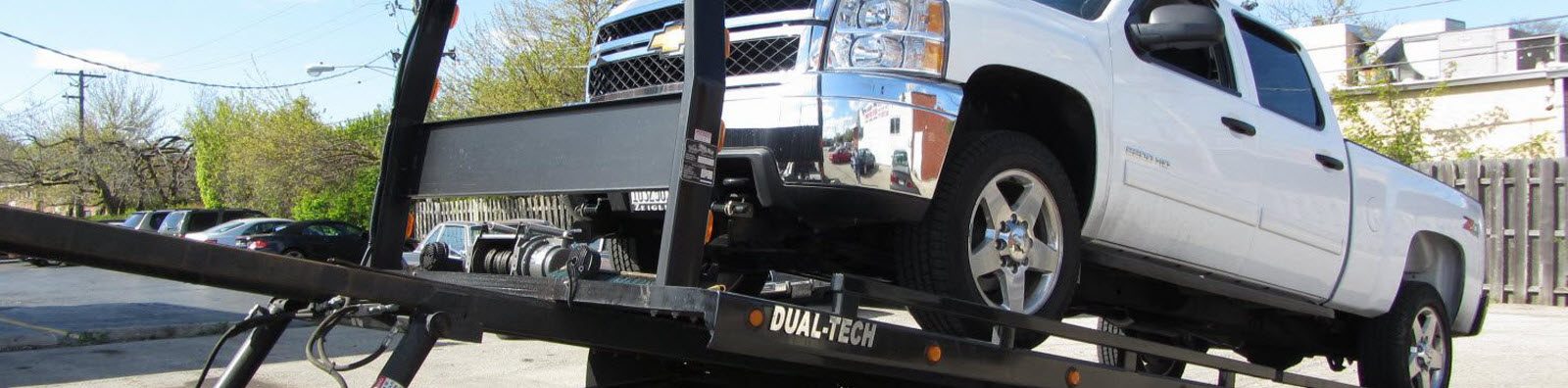
Knowing what will happen can make the experience much less stressful when your vehicle needs to be towed. Flatbed towing is commonly used for vehicles that have been damaged, are not running properly, or need extra protection during transportation. Unlike a traditional tow truck that pulls a vehicle on two wheels, a flatbed tow truck equipped with an entire vehicle on a level platform. Understanding the loading process can help you know what to expect when the tow truck arrives. Today, with this in mind, we at Affordable Junk Cars & Towing would like to offer some insight into what to expect when your vehicle is loaded onto a flatbed tow truck.
Positioning the Tow Truck
The process begins with the tow truck driver positioning the flatbed as close to your vehicle as possible. The truck needs enough room to extend its platform and safely line everything up with the vehicle. The professional will take the surrounding conditions into consideration before beginning the process if the vehicle is located on a busy road, in a parking lot, or in a tight driveway. Safety is an important part of this step. The driver may ask you to remain in a safe location while the vehicle is being prepared for loading.
Preparing the Vehicle
Before the vehicle is moved, the towing professional will typically inspect it and determine the best way to get it onto the flatbed. If the vehicle can roll, it may be guided onto the platform using a winch or by driving it up the ramps when it is safe and operational. For a vehicle that will not start or cannot be easily moved, the winch becomes especially useful. A cable is connected to an appropriate recovery point which safely pulls the vehicle onto the flatbed.
Loading the Vehicle
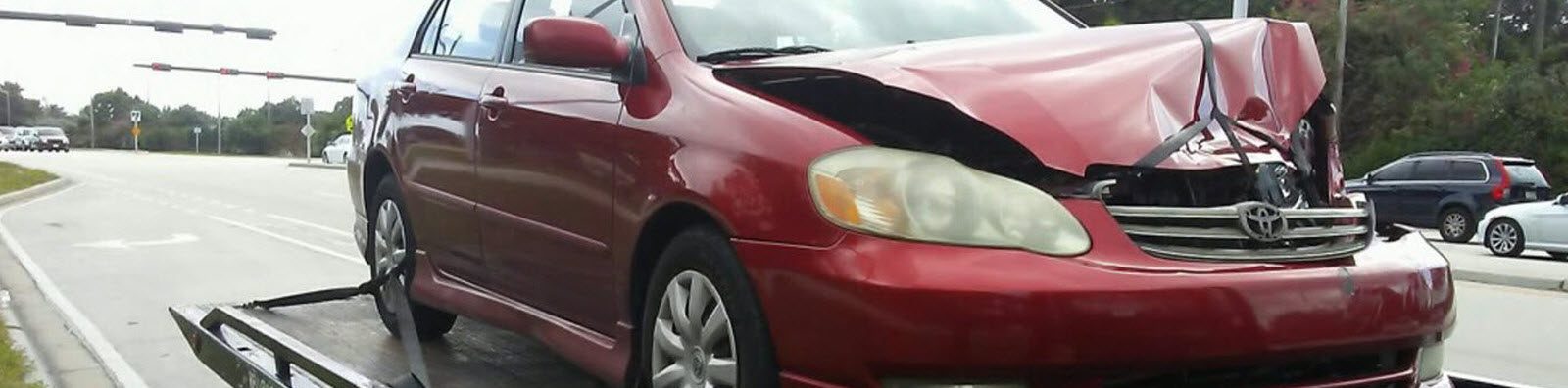
The vehicle is carefully moved onto the platform after everything is properly positioned. The driver controls the process to keep the vehicle centered and prevent unnecessary movement. If the car has significant damage, special care may be necessary to avoid putting additional stress on damaged components.
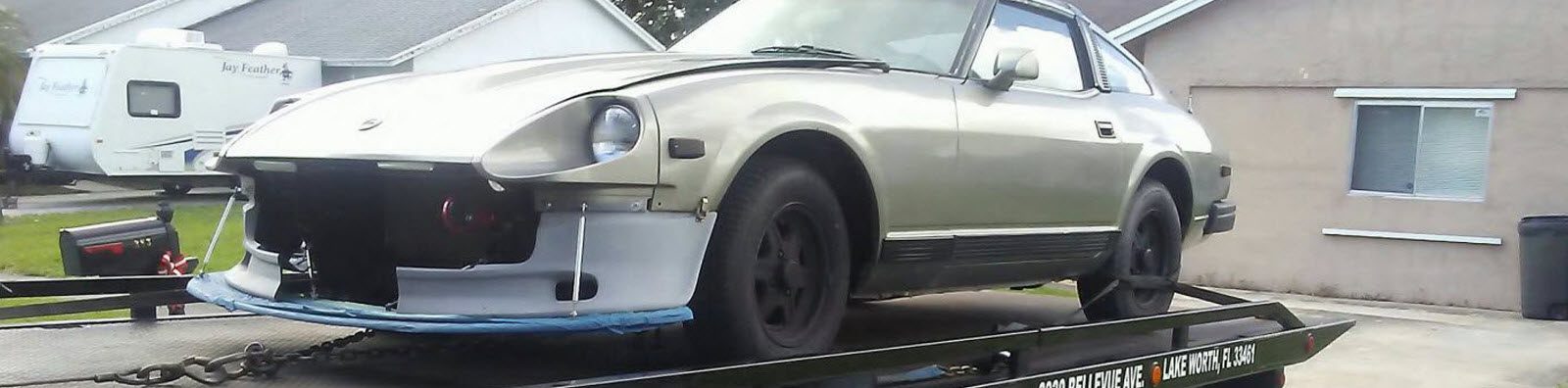
Vehicles with low ground clearance may also require additional attention during loading. An experienced flatbed operator knows how to approach these situations and adjust the loading process accordingly.
Securing the Vehicle
After the vehicle is fully positioned on the flatbed, it must be secured before transportation begins. The driver uses appropriate tie-down equipment to keep the vehicle firmly in place. The exact securing method can depend on the vehicle and its condition. The driver will generally check the connections and make sure the vehicle is stable before leaving. Properly securing the vehicle helps reduce movement during travel and provides additional protection during transport.
During the Trip
The flatbed platform is returned to its normal position, and the driver prepares for departure after the loading process. You may be asked where the vehicle should be delivered, such as a repair shop, dealership, residence, or another location.
Because the entire vehicle is supported by the truck rather than being dragged along the road flatbed towing can provide peace of mind. This can be particularly beneficial for vehicles with drivetrain problems, accident damage, four-wheel drive systems, or other circumstances where conventional towing may not be appropriate.
Choosing Professional Flatbed Towing
Having a vehicle loaded onto a flatbed tow truck is generally a straightforward process when handled by an experienced towing professional. From positioning the truck to securing the vehicle for transportation, each step is designed to move the vehicle safely and efficiently.
Cash for Junk Cars, Emergency Towing & Roadside Services in Wellington, Boca Raton, Palm Beach Gardens, Jupiter, Loxahatchee & West Palm Beach, Florida
Whether your car has broken down, been involved in an accident, or simply needs to be transported without being driven, professional flatbed towing can provide a practical solution. Call Affordable Junk Cars & Towing for safe and reliable towing services in the Greater Boca Raton, FL area.
