
Low-clearance vehicles, whether they’re sports cars, lowered custom builds, or luxury sedans, look great on the road, but they can create serious challenges when it comes time for a tow. One of the most common concerns drivers have is whether their vehicle can be towed safely without scraping, bending components, or causing expensive undercarriage damage. The short answer is yes, low cars can be towed safely, but only when the right equipment and techniques are used. With this in mind, we at Affordable Junk Cars & Towing would like to discuss low cars be towed without damage.
Why Low Cars Are More Vulnerable
Standard vehicles have enough ground clearance for most tow trucks to lift or pull them without issue. Low cars, however, sit much closer to the ground, meaning the front bumper, side skirts, exhaust system, and underbody components are at higher risk of contact during loading.
Even small mistakes, like using the wrong angle or improper hookup points, can result in scraping the bumper, damaging the splitter, or putting stress on the suspension system. This is why towing low vehicles requires extra care and specialized methods.
Flatbed Towing Is the Safest Option
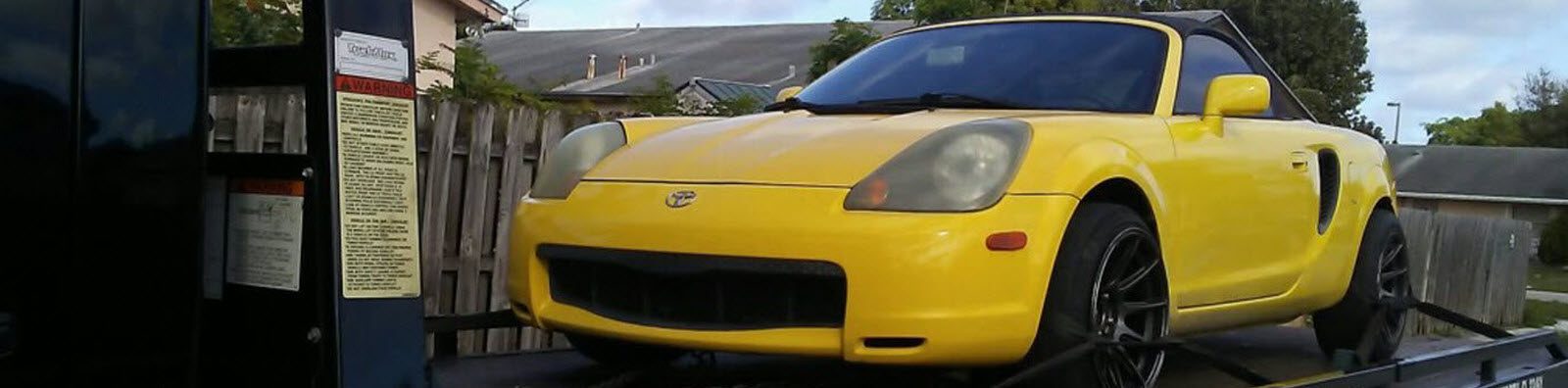
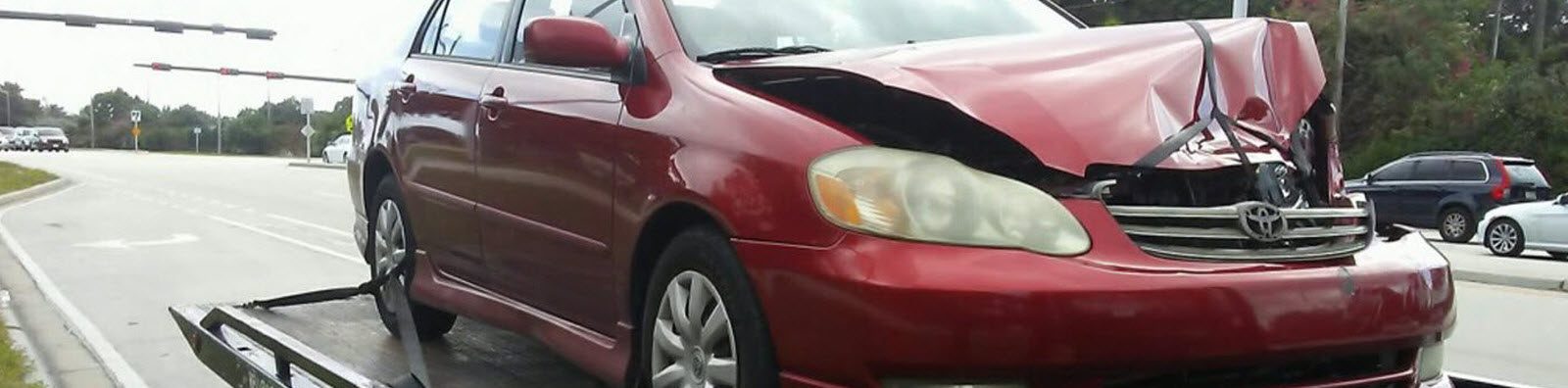
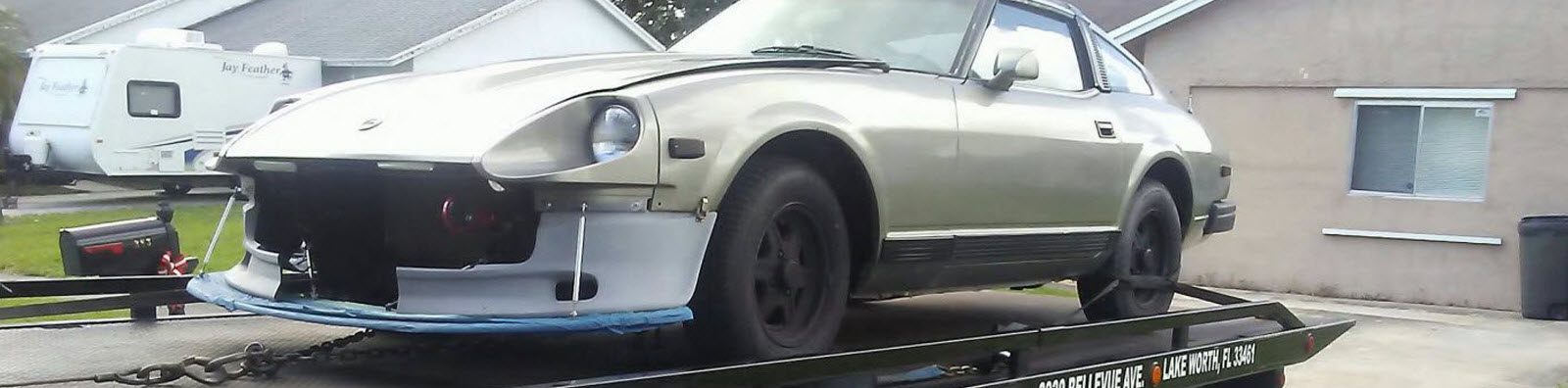
The safest and most widely recommended method for towing low-clearance vehicles is a flatbed tow truck. With this setup, the entire vehicle is driven or winched onto a flat platform, keeping all four wheels off the ground.
Flatbed towing reduces the risk of scraping during transport and avoids unnecessary strain on the drivetrain. Because the car is fully supported, there is no dragging or lifting from the front or rear, which makes it ideal for luxury vehicles, sports cars, and modified suspensions.
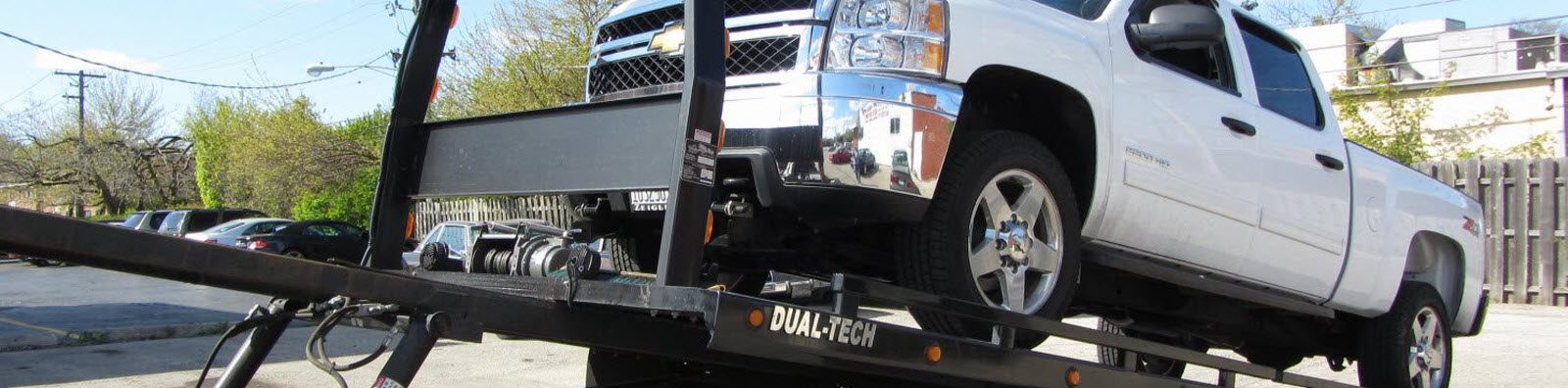
However, even with a flatbed, loading still needs to be done carefully. Tow operators often use low-angle ramps or extended ramp systems to reduce the incline and prevent the front bumper from scraping during the loading process.
Angle & Approach Matter More Than You Think
One of the most overlooked factors in towing low cars is the angle of approach. A steep ramp can cause the front bumper to hit the ground before the tires even reach the bed. That’s why experienced operators adjust ramp positioning or use additional blocks to create a smoother incline.
In some cases, tow trucks may “soft load” the vehicle using winch control to slowly guide it up the ramp without sudden movement. This minimizes pressure on the suspension and prevents bottoming out.
What About Wheel-Lift Towing?
Wheel-lift towing is sometimes used for short distances, but it is generally not recommended for low cars. Lifting only two wheels can put stress on the drivetrain and may still cause scraping if clearance is too tight. It is typically reserved for standard vehicles with adequate ground clearance, not lowered or performance cars.
Tips for Low-Car Owners
If you drive a low-clearance vehicle, there are a few things you can do to reduce risk during towing situations:
Inform the towing company that your vehicle is lowered or has modified suspension
Request a flatbed truck specifically
Avoid aftermarket body kits or splitters that hang too low when possible
Ensure the tow operator uses ramps or angle reducers during loading
Stay present during loading to confirm the vehicle is handled carefully
Cash for Junk Cars, Emergency Towing & Roadside Services in Wellington, Boca Raton, Palm Beach Gardens, Jupiter, Loxahatchee & West Palm Beach, Florida
Low cars can absolutely be towed without damage, but only when handled correctly. Flatbed towing with proper ramp angles and careful loading techniques is essential. The key is communication and choosing a towing service that understands performance and modified vehicles. With the right approach, your car can be transported safely without compromising its bodywork or mechanical components. Call Affordable Junk Cars & Towing for reliable towing that is safe for your vehicle.
